


How to Add a Touch of Nostalgia to Your Home with a Shoe Cabinet?
Release Time : 2025-12-10
In modern home design, the integration of functionality and aesthetics has become a mainstream trend. The shoe cabinet, a seemingly ordinary piece of entryway furniture, is quietly transforming from a mere "storage tool" into a focal point that carries emotion and style. Especially when incorporating nostalgic elements—such as distressed wood grain, brass handles, vintage carvings, or classic color schemes—it transcends simply being a container for shoes, becoming an artwork that evokes memories and creates atmosphere, infusing the home with a warm, serene, and story-filled nostalgic charm.
1. Materials and Textures: The Texture of Time
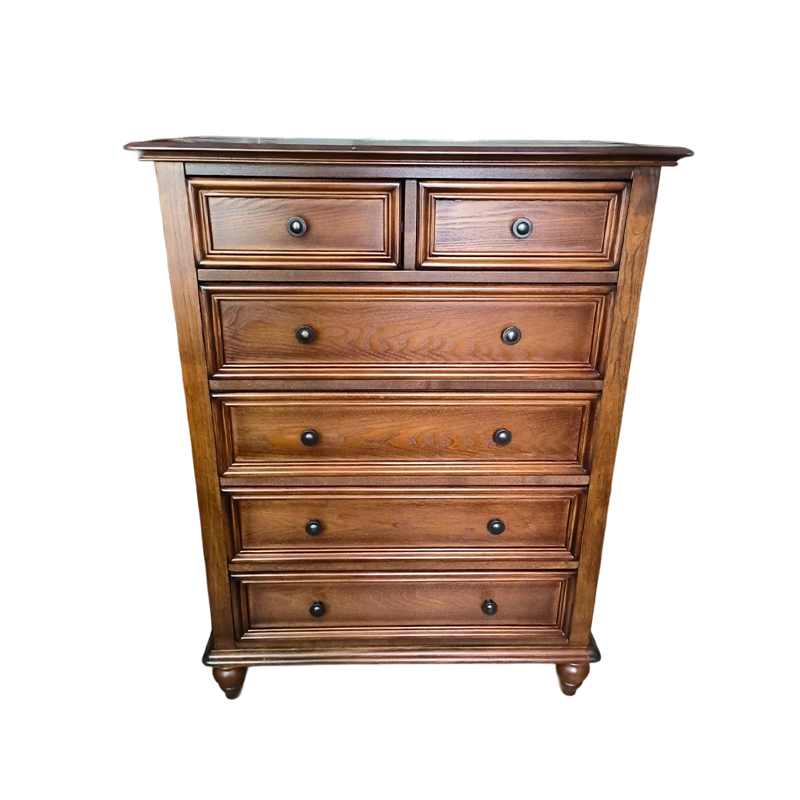
Nostalgic-style shoe cabinets often use natural wood or antique-style boards, with surfaces retaining or intentionally creating the marks of time. For example, using walnut, cherry, or pine wood, hand-polished and coated with a matte varnish to highlight the natural flow of the wood grain; or using carbonization, smoking, or wormhole treatments to simulate the weathered texture of old furniture. This "imperfect" texture precisely conveys the warmth of time—every scratch, every color difference, seems to tell a story of the past. When the morning sunlight slants into the entryway, the shoe cabinet surface glows with a soft sheen; its calm and understated elegance instantly pulls one back to the warm memories of their childhood ancestral home.
2. Detail Design: The Clever Integration of Retro Symbols
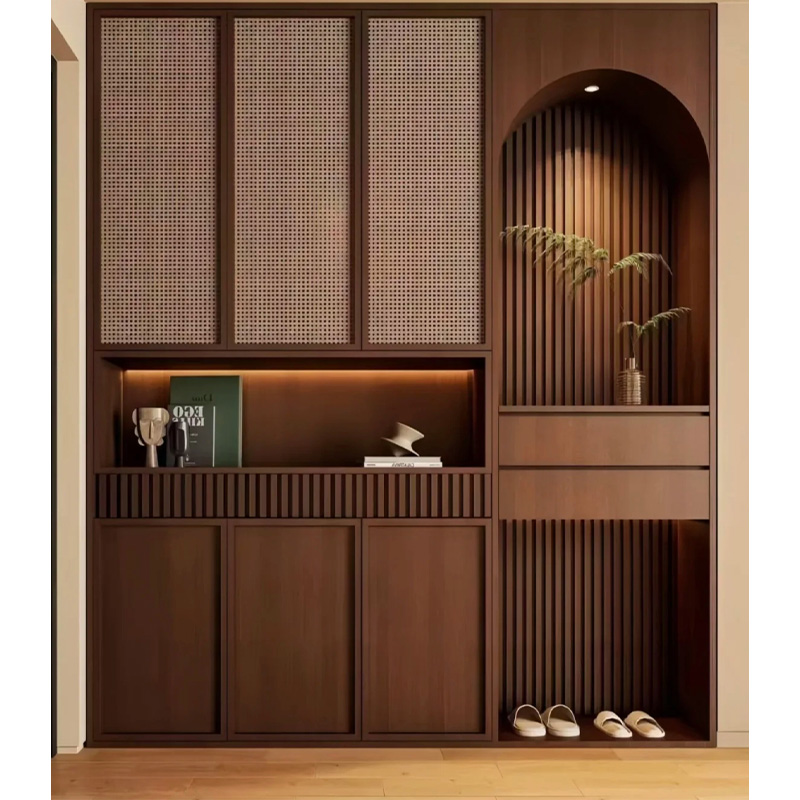
Nostalgic charm is often hidden in the details. Shoe cabinets incorporate classic elements in handles, hinges, carvings, and even casters: brass or bronze handles with a warm patina, carved panels replicating patterns from the Victorian or Republican eras, and distressed metal feet at the bottom, providing both moisture protection and enhancing visual sophistication. Some styles also incorporate traditional crafts such as louvered doors, arched window frames, and rattan panels, ensuring practical functions like ventilation and mold prevention while reinforcing the visual sense of age. These details are not simply a matter of piling them up, but rather a refinement and re-creation of historical styles, making the shoe cabinet both seamless and uniquely recognizable in modern spaces.
3. Color and Form: Emotional Resonance in Low Saturation
Shoe cabinets rarely use highly saturated bright colors, preferring earth tones—such as caramel brown, olive green, gray-blue, off-white, or deep burgundy. These colors originate from nature, stand the test of time, and coexist harmoniously with various wall and floor surfaces. In terms of form, they often employ symmetrical structures, rounded corners, and moderate proportions, avoiding the coldness of minimalism and rejecting the ostentation of elaborate decorations. Some shoe cabinets have a double-sided shoe-changing bench on top, complemented by cushions and quilted fabrics to further enhance comfort and human touch. This restrained yet warm design language transforms the entryway from a hurried transition zone into the first corner to be gently embraced upon returning home.
4. Balance of Function and Sentiment: A Poetic Expression of Pragmatism
Nostalgia does not equate to sacrificing function. While retaining its aesthetic essence, the shoe cabinet fully considers the needs of contemporary life: adjustable shelves inside accommodate different shoe shapes, a suspended area at the bottom is convenient for frequently worn shoes, a socket on the back is provided for shoe dryers, and it even integrates intelligent deodorization or sensor lighting. It is this ingenuity of "old on the outside, new on the inside" that allows the retro shoe cabinet to not only meet storage efficiency but also carry emotional value—it reminds us that even in the fast-paced urban life, we can still retain a respect for slower pace of life.
Though small, the shoe cabinet is the first "calling card" of a home. When it dons a retro cloak, it is no longer just furniture, but a bridge connecting the past and the present. It uses wood grain to tell the story of time, brass to reflect the passage of years, and serene colors to soothe the heart upon returning home.
1. Materials and Textures: The Texture of Time
Nostalgic-style shoe cabinets often use natural wood or antique-style boards, with surfaces retaining or intentionally creating the marks of time. For example, using walnut, cherry, or pine wood, hand-polished and coated with a matte varnish to highlight the natural flow of the wood grain; or using carbonization, smoking, or wormhole treatments to simulate the weathered texture of old furniture. This "imperfect" texture precisely conveys the warmth of time—every scratch, every color difference, seems to tell a story of the past. When the morning sunlight slants into the entryway, the shoe cabinet surface glows with a soft sheen; its calm and understated elegance instantly pulls one back to the warm memories of their childhood ancestral home.
2. Detail Design: The Clever Integration of Retro Symbols
Nostalgic charm is often hidden in the details. Shoe cabinets incorporate classic elements in handles, hinges, carvings, and even casters: brass or bronze handles with a warm patina, carved panels replicating patterns from the Victorian or Republican eras, and distressed metal feet at the bottom, providing both moisture protection and enhancing visual sophistication. Some styles also incorporate traditional crafts such as louvered doors, arched window frames, and rattan panels, ensuring practical functions like ventilation and mold prevention while reinforcing the visual sense of age. These details are not simply a matter of piling them up, but rather a refinement and re-creation of historical styles, making the shoe cabinet both seamless and uniquely recognizable in modern spaces.
3. Color and Form: Emotional Resonance in Low Saturation
Shoe cabinets rarely use highly saturated bright colors, preferring earth tones—such as caramel brown, olive green, gray-blue, off-white, or deep burgundy. These colors originate from nature, stand the test of time, and coexist harmoniously with various wall and floor surfaces. In terms of form, they often employ symmetrical structures, rounded corners, and moderate proportions, avoiding the coldness of minimalism and rejecting the ostentation of elaborate decorations. Some shoe cabinets have a double-sided shoe-changing bench on top, complemented by cushions and quilted fabrics to further enhance comfort and human touch. This restrained yet warm design language transforms the entryway from a hurried transition zone into the first corner to be gently embraced upon returning home.
4. Balance of Function and Sentiment: A Poetic Expression of Pragmatism
Nostalgia does not equate to sacrificing function. While retaining its aesthetic essence, the shoe cabinet fully considers the needs of contemporary life: adjustable shelves inside accommodate different shoe shapes, a suspended area at the bottom is convenient for frequently worn shoes, a socket on the back is provided for shoe dryers, and it even integrates intelligent deodorization or sensor lighting. It is this ingenuity of "old on the outside, new on the inside" that allows the retro shoe cabinet to not only meet storage efficiency but also carry emotional value—it reminds us that even in the fast-paced urban life, we can still retain a respect for slower pace of life.
Though small, the shoe cabinet is the first "calling card" of a home. When it dons a retro cloak, it is no longer just furniture, but a bridge connecting the past and the present. It uses wood grain to tell the story of time, brass to reflect the passage of years, and serene colors to soothe the heart upon returning home.