


What kind of corner treatment process can be used to reduce the risk of collision damage to storage cabinets?
Release Time : 2026-02-04
Storage cabinets, as common storage furniture in homes, have their corner treatment directly impacting safety and durability. Especially in homes with children or the elderly, sharp corners can easily cause bumps and injuries, and stress concentration in these areas can lead to cracking and deformation. Therefore, multi-dimensional technological innovation, including material optimization, structural design, and surface treatment, is needed to build a dual protection system of "buffer protection + structural reinforcement" to reduce the risk of collision damage and extend the cabinet's lifespan.
Rounded corners are a fundamental method for reducing the risk of collisions. Rounding right-angled edges into a smooth arc shape using mechanical or manual methods significantly reduces sharpness. For example, using CNC machine tools for high-precision chamfering ensures a uniform curvature, avoiding the unevenness that can occur with manual sanding. For solid wood storage cabinets, a rounded allowance can be left at the joints, and then sanded gradually until a smooth transition is achieved, preserving the natural wood grain while eliminating sharp edges. In addition, rounded corners can disperse the impact force during collisions, reducing the probability of cracks at the cabinet edges, especially suitable for frequently opened and closed areas such as cabinet doors and drawers.
Edge binding involves covering the corners with additional materials to form a physical protective layer. Common edge binding materials include PVC, solid wood, and metal, with PVC edge binding being widely used due to its low cost and ease of processing. The process involves applying special adhesive to the corners, then heating and softening pre-cut PVC strips before attaching them, and finally pressing them firmly with rollers. Solid wood edge binding offers a more upscale look, requiring the use of wood strips of the same material as the cabinet body, fixed through mortise and tenon joints or adhesive, strengthening the corner structure while maintaining a unified overall style. Metal edge binding (such as stainless steel and aluminum alloy) is suitable for modern minimalist styles; its high strength effectively resists collisions while adding an industrial aesthetic.
Soft material covering is an upgraded protection solution for high-frequency collision areas. Attaching flexible materials such as silicone, sponge, or velvet to the cabinet corners creates a buffer layer to absorb impact energy. For example, children's room storage cabinets often have silicone anti-collision strips affixed to the edges of the cabinet doors; their soft texture significantly reduces the pain from impacts. Drawer handles are wrapped with sponge covers to prevent hands from being scratched by metal parts. For this type of work, attention must be paid to the adhesion strength between the materials and the cabinet body to prevent detachment after long-term use. Environmentally friendly and odorless materials should also be chosen to ensure indoor air quality.
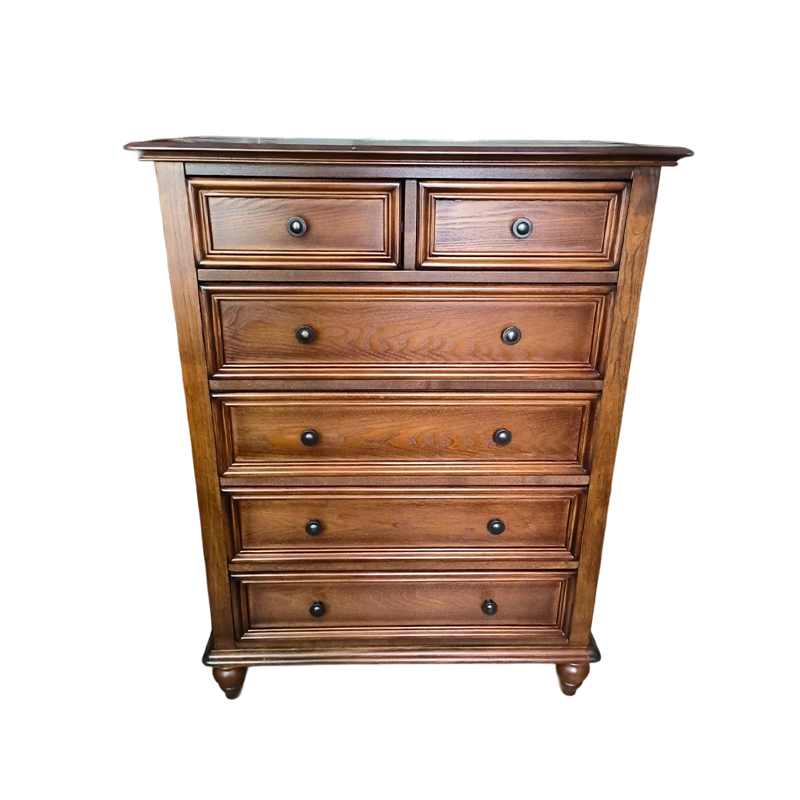
Corner reinforcement structures improve impact resistance by altering the way the cabinet is stressed. Embedding metal corner brackets or L-shaped supports inside the corners enhances connection strength and prevents the cabinet from falling apart upon impact. For example, solid wood storage cabinets often use mortise and tenon joints with wooden wedges for reinforcement at right-angle joints, further secured with corner brackets to form a "wood + metal" composite structure. Panel storage cabinets can have anti-collision strips affixed to the corners while adding internal triangular wooden blocks for support, distributing impact stress. This type of design must also consider aesthetics, avoiding exposed reinforcement components that affect the overall style.
Surface coating treatments not only enhance the cabinet's appearance but also form a protective film to reduce damage to the corners. Water-based paints are the preferred choice due to their environmental friendliness and strong adhesion. Their flexibility can cushion minor impacts and prevent paint peeling. UV paints, cured by ultraviolet light, form a high-hardness surface that resists scratches and abrasion, but their higher brittleness makes them prone to cracking at edges and corners. Furthermore, adding nanomaterials to the coating can improve wear resistance; for example, silica nanoparticles can enhance the hardness of the paint film and extend the lifespan of edges and corners.
Detailed processing is crucial to ensuring effective protection. For example, the seams between the edging material and the cabinet body must be sanded to a seamless transition to prevent dirt accumulation or hand scratches. When using soft materials, allowance should be made for expansion and contraction to prevent cracking due to temperature changes. Metal edging should be chamfered to eliminate sharp edges. These seemingly small details directly determine the final effect of edge and corner protection.
The corner treatment of storage cabinets should prioritize "safety and durability," employing a combination of techniques such as rounded corner sanding, reinforced edging, soft covering, structural reinforcement, and protective coatings to create a multi-layered protection system. Whether it's the anti-collision design of a children's room or the meticulous craftsmanship of high-end furniture, the appropriate process must be selected according to the usage scenario and material characteristics. While ensuring safety, aesthetics and functionality should also be taken into account, so that the storage cabinet becomes a practical and reassuring presence in the home environment.